
Why Does Training Lead To Fat Gain In Some Athletes
The hidden connection between gut permeability, histamine dysregulation, and weight loss resistance in endurance athletes
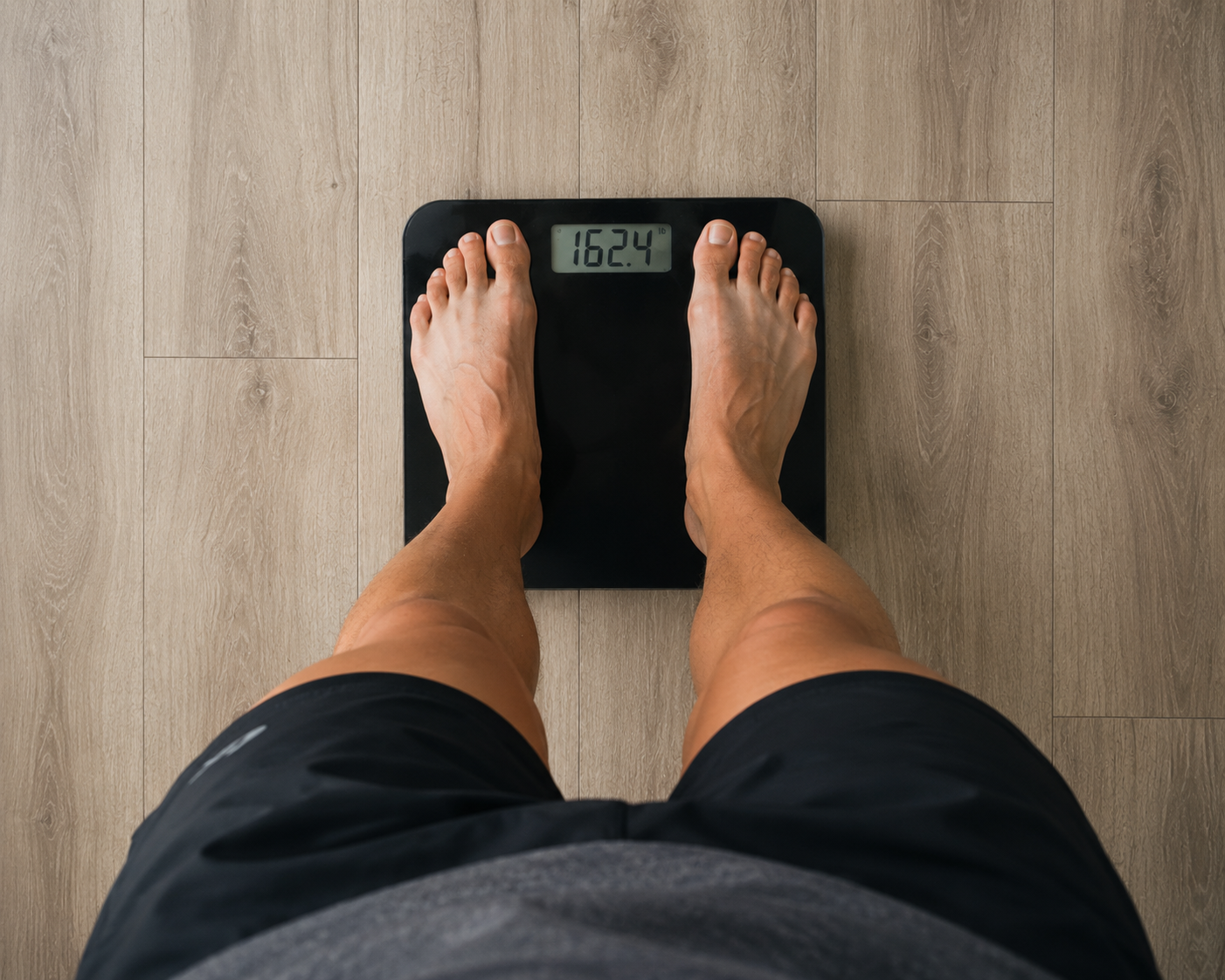
You train 10, 12, 15 hours a week. You watch what you eat. You're disciplined, consistent, and genuinely committed. And yet the weight won't move — or worse, it slowly creeps up the harder you train.
This is one of the most frustrating and poorly understood phenomena in endurance sports. Coaches blame it on caloric miscounting or missing out on time in fat burning zones. Nutritionists suggest eating less. The athlete trains harder, eats less, and the weight continues to accumulate, particularly around the midsection.
What almost nobody is talking about is the gut.
Specifically: exercise-induced gut barrier disruption, the cascade of downstream metabolic consequences it triggers, and a little-known enzyme called DAO (diamine oxidase) whose depletion may be sitting at the center of weight loss resistance in chronically overtrained athletes.
The Gut Barrier and Hard Training
During prolonged or intense endurance exercise, blood flow to the gastrointestinal tract drops dramatically — research shows gut perfusion can fall by as much as 80% during sustained hard effort (Qamar and Read, 1987). This ischemia damages the tight junction proteins — claudin, occludin, and zonula occludens-1 (ZO-1) — that seal the intestinal barrier and keep gut contents where they belong.
The result is increased intestinal permeability — what's colloquially called leaky gut. And what leaks through is the problem.
Lipopolysaccharide (LPS), a component of gram-negative bacterial membranes, translocates from the gut lumen into systemic circulation. Once in the bloodstream, LPS binds toll-like receptor 4 (TLR4) on immune cells and initiates a systemic inflammatory response — releasing interleukin-6 (IL-6), tumor necrosis factor alpha (TNF-alpha), and interleukin-1 beta (IL-1b) (Cani et al., 2008).
This is not a dramatic acute event in the chronically overtrained athlete. It's a slow, persistent, low-grade leak that generates subclinical endotoxemia — circulating LPS at levels too low to produce obvious illness symptoms but high enough to maintain a chronic inflammatory state that fundamentally disrupts metabolic function.
How Chronic Endotoxemia Drives Fat Storage
The inflammatory cytokines generated by chronic LPS exposure don't just make you feel vaguely unwell. They directly impair the hormonal systems that govern body composition.
Insulin resistance: TNF-alpha and IL-6 impair insulin receptor signaling at the cellular level, reducing glucose uptake in muscle tissue and increasing glucose availability for fat storage. Research has directly linked plasma LPS levels to insulin resistance independent of dietary factors (Cani et al., 2008). The athlete who can't lose weight despite training may have insulin resistance driven not by diet but by chronic gut-derived endotoxemia.
Leptin resistance: Leptin is your primary long-term satiety hormone — it signals the hypothalamus that energy stores are adequate and suppresses appetite. Chronic inflammation disrupts leptin receptor sensitivity, producing a state where the brain cannot accurately read the body's energy status. The overtrained athlete experiences persistent hunger, difficulty feeling satisfied, and strong cravings for carbohydrates — not from lack of willpower but from leptin signaling that has been blunted by inflammatory cytokines (Fantuzzi, 2005).
Visceral fat accumulation: LPS-driven inflammation preferentially promotes visceral adiposity — fat stored around the organs rather than subcutaneously. Visceral fat is metabolically active, producing its own inflammatory cytokines, creating a self-amplifying cycle where gut-derived inflammation promotes visceral fat, which produces more inflammation, which further disrupts gut barrier integrity (Hotamisligil, 2006).
Cortisol elevation: The chronic inflammatory state activates the HPA axis, maintaining elevated cortisol. Cortisol directly promotes visceral fat deposition, drives muscle catabolism, increases appetite particularly for calorie-dense foods, and further impairs insulin sensitivity. The athlete training hard with a leaky gut is running chronically elevated cortisol from both the training stress and the inflammatory load simultaneously.
The DAO Connection — The Missing Piece
Here is where the mechanism becomes particularly elegant and largely overlooked.
Diamine oxidase (DAO) is an enzyme produced by intestinal epithelial cells — the same enterocytes whose function is compromised by exercise-induced gut ischemia. DAO's primary job is to break down histamine in the gut before it reaches systemic circulation.
When gut barrier integrity is compromised by repeated hard training without adequate recovery, enterocyte function deteriorates and DAO production drops. Less DAO means histamine accumulates — from dietary sources, from gut bacterial production, and from immune cell activity — faster than it can be cleared (Maintz and Novak, 2007).
This histamine excess creates a distinct set of metabolic consequences that overlap precisely with the weight loss resistance pattern seen in chronically overtrained athletes:
Histamine and the HPA axis: Elevated histamine directly stimulates corticotropin-releasing hormone (CRH) and ACTH, driving cortisol production through a pathway separate from training stress. The chronically overtrained athlete with depleted DAO is running two simultaneous cortisol-elevating inputs — training load and histamine excess — compounding the visceral fat and insulin resistance consequences of each.
Histamine and water retention: Histamine causes vasodilation and increases vascular permeability — fluid leaks from the vasculature into interstitial tissue. This produces genuine water retention that shows up on the scale and in measurements as apparent weight gain. Athletes who notice their weight fluctuating dramatically around hard training blocks may be observing histamine-driven fluid shifts as much as actual tissue changes.
Histamine and appetite dysregulation: In normal physiological amounts histamine suppresses appetite through hypothalamic H1 receptor signaling. When histamine dysregulation occurs — accumulating excessively then desensitizing receptors — this appetite-suppressing signal breaks down. The normal satiety mechanism fails, appetite regulation becomes unreliable, and the athlete experiences persistent hunger that no reasonable dietary approach resolves.
Histamine and fat cell activity: Mast cells — the primary histamine-storing immune cells — are found throughout adipose tissue. Mast cell activation in fat tissue directly promotes local inflammation and fat cell hypertrophy. Research has identified mast cell histamine as a contributor to adipose tissue dysfunction and obesity (Liu et al., 2009).
The Overtrained Athlete's Metabolic Trap
Put these mechanisms together and a coherent picture emerges of why the hardest-training athletes are sometimes the ones most resistant to favorable body composition change.
Repeated hard training without adequate gut support → progressive gut barrier compromise → chronic low-grade LPS translocation → systemic inflammatory cytokine elevation → insulin resistance + leptin resistance + cortisol elevation → visceral fat accumulation.
Simultaneously: gut barrier compromise → enterocyte dysfunction → DAO depletion → histamine accumulation → additional HPA axis stimulation + water retention + appetite dysregulation + adipose tissue mast cell activation → compounding the weight gain and weight loss resistance.
The athlete responds by training harder and eating less. This increases the training stress on an already compromised gut barrier, worsens the LPS leak, further depletes DAO, and deepens the metabolic dysfunction. The cycle becomes self-reinforcing.
This is not a willpower problem. It is not a caloric arithmetic problem. It is a gut integrity problem with cascading metabolic consequences that training harder and eating less actively worsens.
Breaking the Cycle
The intervention points are clear once the mechanism is understood.
Gut barrier restoration during training: Glutamine supplementation — 10-15g before long efforts and 5g per hour during efforts over 90 minutes — maintains enterocyte fuel supply during gut ischemia, preserving tight junction integrity and reducing LPS translocation at the source (Zuhl et al., 2014). This is the most upstream intervention available and the one most directly targeted at the root mechanism.
DAO enzyme support: Exogenous DAO supplementation (20,000 HDU before meals) bridges the gap between depleted endogenous production and histamine clearance demands. This directly addresses the histamine accumulation driving water retention, appetite dysregulation, and HPA axis activation. Porcine kidney extract formulations from professional supplement brands provide reliable enzyme activity.
Post-exercise nutrition timing: Eating before hunger returns after a hard effort means eating before the gut is ready — before parasympathetic tone is restored and DAO production has partially recovered. Waiting for genuine hunger to return before eating the recovery meal reduces the histamine and LPS load hitting a maximally compromised barrier.
Inflammation modulation: Quercetin (500-1000mg daily) stabilizes mast cells and reduces histamine release while modulating NF-kB signaling. Curcumin as Meriva phytosome has demonstrated direct tight junction protein upregulation. Both work as inflammation modulators rather than suppressors — preserving the beneficial hormetic adaptations from training while reducing the pathological chronic inflammatory load.
Microbiome restoration: Consistent prebiotic fiber, multi-strain probiotic supplementation, and fermented foods rebuild the microbial diversity that maintains gut barrier integrity between training sessions. A robust microbiome produces butyrate — the primary fuel for colonocyte barrier maintenance — reducing baseline permeability and LPS translocation independent of training stress.
Training load management: The gut barrier needs recovery time just like muscle tissue. Back-to-back hard sessions without adequate recovery progressively worsen barrier integrity. Structured recovery weeks allow gut barrier restoration that prevents the cumulative compromise driving the metabolic dysfunction.
The Practical Takeaway
When an endurance athlete cannot lose weight despite genuine dietary discipline and high training volume — look at the gut before adjusting calories or training load.
Chronically elevated resting heart rate, suppressed HRV, persistent bloating, post-exercise malaise, strong carbohydrate cravings, and weight accumulating preferentially around the midsection are not just signs of overtraining. They are signs of gut barrier compromise driving metabolic dysfunction through LPS translocation, histamine dysregulation, and the downstream hormonal consequences of both.
The fix is not less food and more miles. It is gut barrier restoration, DAO support, inflammation modulation, and training load that allows recovery rather than compounding compromise.
Train the gut like you train the legs. The body composition results will follow.
References
Cani, P.D., et al. (2008). Changes in gut microbiota control metabolic endotoxemia-induced inflammation in high-fat diet-induced obesity and diabetes in mice. Diabetes, 57(6), 1470-1481.
Fantuzzi, G. (2005). Adipose tissue, adipokines, and inflammation. Journal of Allergy and Clinical Immunology, 115(5), 911-919.
Hotamisligil, G.S. (2006). Inflammation and metabolic disorders. Nature, 444, 860-867.
Liu, J., et al. (2009). Genetic deficiency and pharmacological stabilization of mast cells reduce diet-induced obesity and diabetes in mice. Nature Medicine, 15(8), 940-945.
Maintz, L., and Novak, N. (2007). Histamine and histamine intolerance. American Journal of Clinical Nutrition, 85(5), 1185-1196.
Qamar, M.I., and Read, A.E. (1987). Effects of exercise on mesenteric blood flow in man. Gut, 28(5), 583-587.
Pendyala, S., et al. (2012). A high-fat diet is associated with endotoxemia that originates from the gut. Gastroenterology, 142(5), 1100-1101.
Zuhl, M., et al. (2014). The effects of acute oral glutamine supplementation on exercise-induced gastrointestinal permeability and heat shock protein expression in peripheral blood mononuclear cells. Cell Stress and Chaperones, 20(1), 85-93.
Timmerman, K.L., et al. (2010). Exercise training-induced lowering of inflammatory markers in obese subjects: a systematic review. Clinical Science, 119(1), 3-19.
Hawley, J.A., et al. (2014). Integrative biology of exercise. Cell, 159(4), 738-749.