
Using Hypoxic Training for Effective Adaptations: You Don't Have to Sleep in a Tent
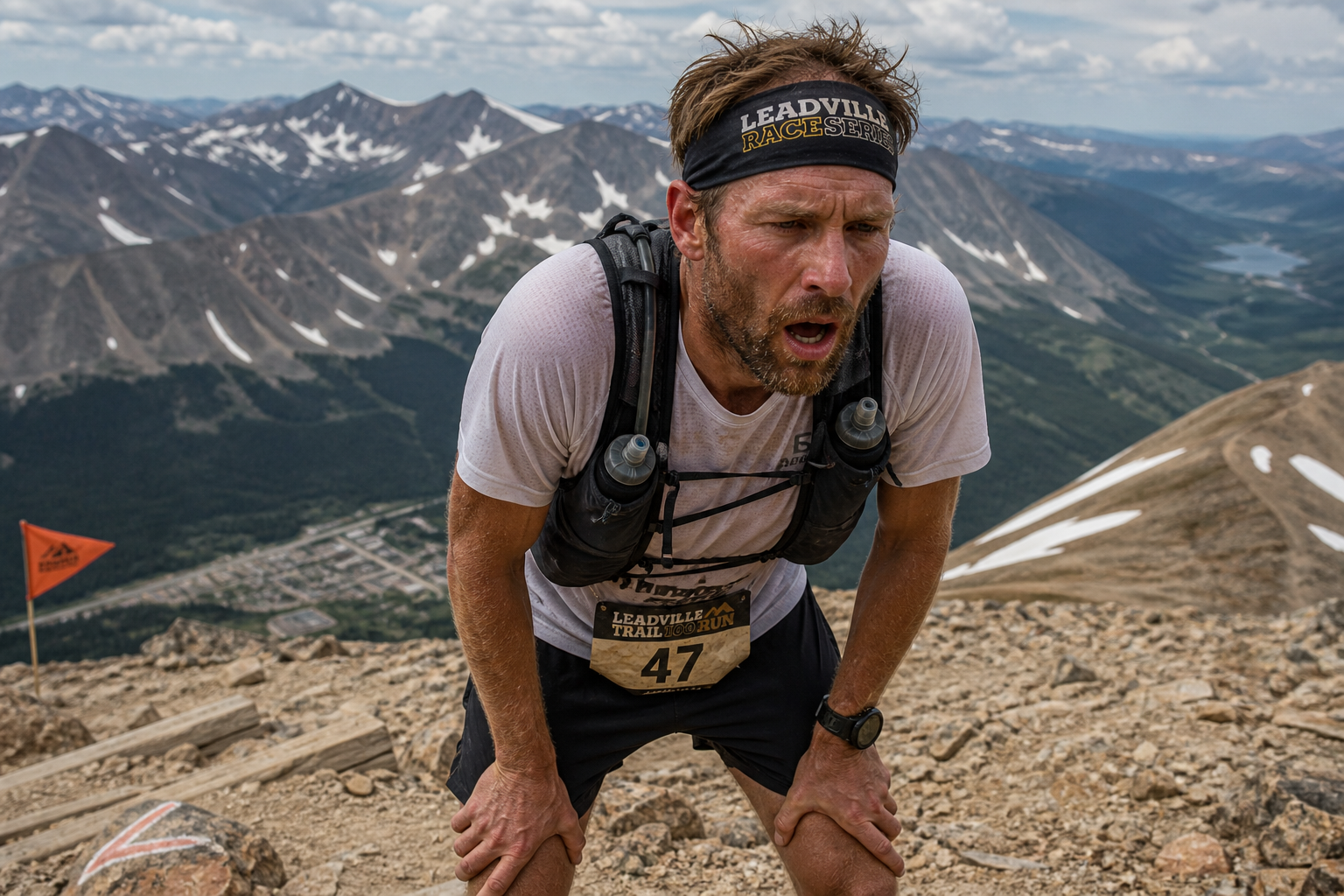
Altitude training has come a long way. What started as a practice reserved for elite programs — high camps, expensive facilities, months away from home — has evolved into something accessible, practical, and more targeted than the original model. Normobaric hypoxic training is no longer just about sleeping in a tent and hoping your blood adapts overnight. The science has moved, and so has my methodology.
If you're a mountain athlete living at sea level, I have good news. The most effective adaptations aren't the ones you accumulate while you sleep — they're the ones you earn while you work.
What the Sleep-High Model Was Actually Chasing
Hypoxic tents, popularized by systems like HYPOXICO, were designed around a specific physiological target: erythropoiesis. More red blood cells. Higher hemoglobin concentration. The idea was elegant: sleep in simulated altitude, trigger EPO production overnight, wake up at sea level and train hard. Blood doping, legally and naturally.
And it works, under the right conditions. Meaning weeks of sustained exposure, true altitude equivalents deep enough to drive meaningful EPO response, and enough hours per night to accumulate the hypoxic dose. For most athletes doing this at home, in a leaky tent, at a modest simulated altitude, while also sleeping poorly because they're hot and uncomfortable? The hematological gains are marginal at best.
Here's the deeper issue: even if it works perfectly, you built a better fuel tank but you didn't teach your engine to run in thin air.
Altitude Memory Is Real — and It Lives in Your Muscles and Lungs
When you go to altitude, your immediate limiters aren't your red blood cell count. They're:
Your ventilatory ceiling. Breathing becomes the governor. Your legs might have more to give, but your respiratory system is already redlining.
Your muscle's ability to extract oxygen. At altitude, there's less O2 in every breath. How efficiently your working muscles pull it out of the blood and use it determines everything.
Your tolerance for the metabolic environment. The burn comes faster, harder, and earlier than at sea level. Athletes who've never trained in hypoxia are genuinely shocked by this.
None of these adapt meaningfully from sleeping in a tent. All of them respond directly to one thing: doing real work in a low-oxygen environment.
This is what we call altitude memory — the body's learned capacity to function, buffer, and extract energy efficiently when oxygen is scarce. You build it the same way you build every other athletic adaptation. You practice the specific stress.
The Shift: Training With Hypoxia, Not Just Sleeping In It
The emerging practice among serious mountain athletes is using normobaric hypoxic units during actual training sessions — not just at night. Active sessions. Real effort. Lungs working, muscles demanding oxygen that isn't fully there.
The difference in adaptive stimulus is significant. Exercise combined with hypoxia activates HIF-1α (the master regulator of oxygen adaptation) far more powerfully than hypoxia at rest. You're stacking metabolic stress on top of hypoxic stress, which is exactly the environment your mountain race will demand.
Passive sessions still have a role — lower intensity exposure adds to your total hypoxic dose and keeps the adaptation signal running between hard days. But the active sessions are where the altitude memory gets written.
One Tool You Cannot Skip
If you're going to do this right, you need a pulse oximeter. Not optional.
Hypoxic response is highly individual. Two athletes breathing the same air can desaturate to completely different blood oxygen levels. Training to a target SpO2 — not to a dial setting on a machine — is the difference between a real protocol and expensive guesswork. Know your numbers. Train to them.
The Bottom Line
Specificity is the most fundamental principle in training. You run trails to race trails. You train in heat to race in heat. If your goal is to perform in the mountains, teach your body what the mountains feel like — while it's working.
The specific protocol — session structure, SpO2 targets, progression, timing relative to your event — is where the coaching lives. That's not something to generalize.
If you're a mountain athlete preparing for altitude and you want a protocol built around your fitness, your event, and your individual hypoxic response, that's exactly what we do at JS Performance Lab.
Connect with JSPL to build your altitude prep!