
Cardio Isn’t Enough: Muscle Mass Matters
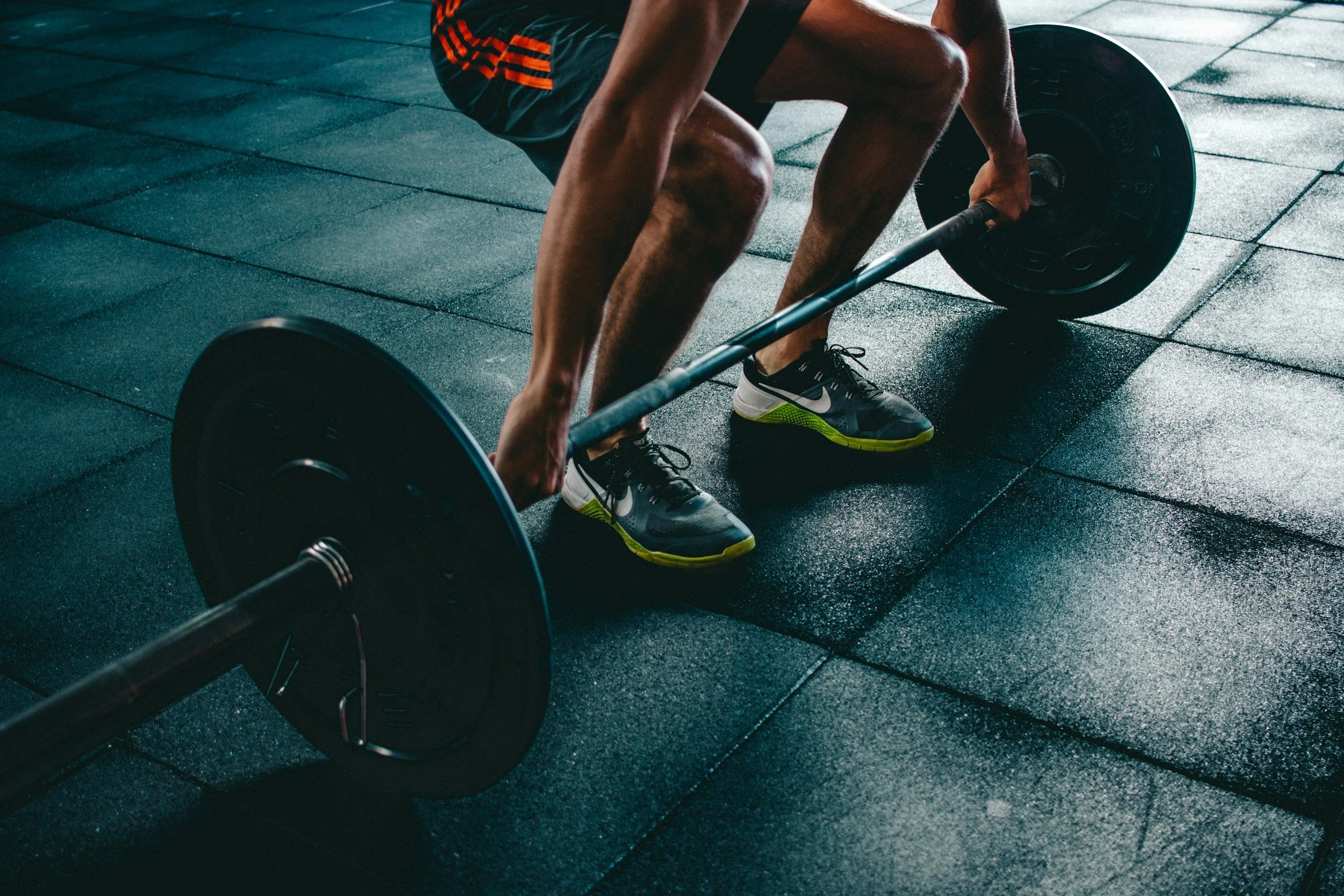
If you're an athlete in your 40’s and 50s, staying active is one of the best things you can do for your long-term health. But if riding, running, swimming, or other endurance work is the only thing on your training calendar, you may be missing a piece that matters more with every passing year: your muscle.
Beginning in midlife, we gradually lose muscle mass as a normal part of aging. Research on age-related muscle loss suggests that adults who aren't doing any resistance training can lose roughly 3–8% of their muscle mass per decade starting around age 30, with that decline accelerating after 60 (Harvard Health). It sounds slow in the moment, but small annual losses compound. A little muscle lost every year for a decade adds up to a very different body than the one you had at 50.
And being a highly active endurance athlete doesn't automatically protect you from this process. You can have an excellent VO₂ max, log serious weekly mileage, and still be losing muscle in the background. Cardio is outstanding for building aerobic capacity and cardiovascular health, but it simply doesn't provide the mechanical loading stimulus that muscle tissue needs to maintain size, strength, and power over time. A comprehensive review of sarcopenia — the age-related loss of muscle mass and function — notes that endurance exercise supports metabolic and cardiovascular health but is not sufficient on its own to counteract the structural and neuromuscular changes of aging muscle (Physiological Reviews, via PMC).
What's especially worth paying attention to as we age is the disproportionate decline in fast-twitch muscle fibers and neuromuscular function — the systems responsible for strength, power, acceleration, and the ability to produce force quickly. That same sarcopenia research points out that strength and power often decline faster than muscle mass itself, because aging preferentially affects fast-twitch fibers and the nerve pathways that drive them (PMC). In practical terms, that means you can be riding or running just as much as ever and still notice your legs feel less snappy, less powerful, less able to surge — because raw endurance capacity and neuromuscular power are two different systems, and only one of them is getting trained.
This is exactly why strength training becomes more important, not less, after 50. It's not about becoming a bodybuilder or abandoning the sport you love. It's about giving your muscular and neuromuscular systems the specific stimulus that endurance work can't provide.
The encouraging news is that it doesn't take a massive time commitment to make a real difference. Research on resistance training frequency in older adults has found that as few as two structured sessions per week can produce meaningful gains in strength and muscle quality, with position statements from strength and conditioning researchers recommending two to three sessions weekly as a baseline for healthy aging (NSCA Position Statement, Journal of Strength and Conditioning Research). Two well-designed sessions a week is a realistic addition to almost any endurance training schedule — and it can be the difference between maintaining muscle and strength or slowly losing them.
So keep riding. Keep running. Keep doing the endurance sport you love — it's genuinely good for you. Just don't mistake cardiovascular fitness for muscular fitness; they aren't the same thing, and only one of them is being trained when you log miles.
The goal was never simply to be fit at 50. It's to preserve enough muscle, strength, and power to keep doing what you love at 60, 70, and beyond.
Sources: