
Why Wheat Is Harming You: The Science Behind the World's Most Problematic Grain
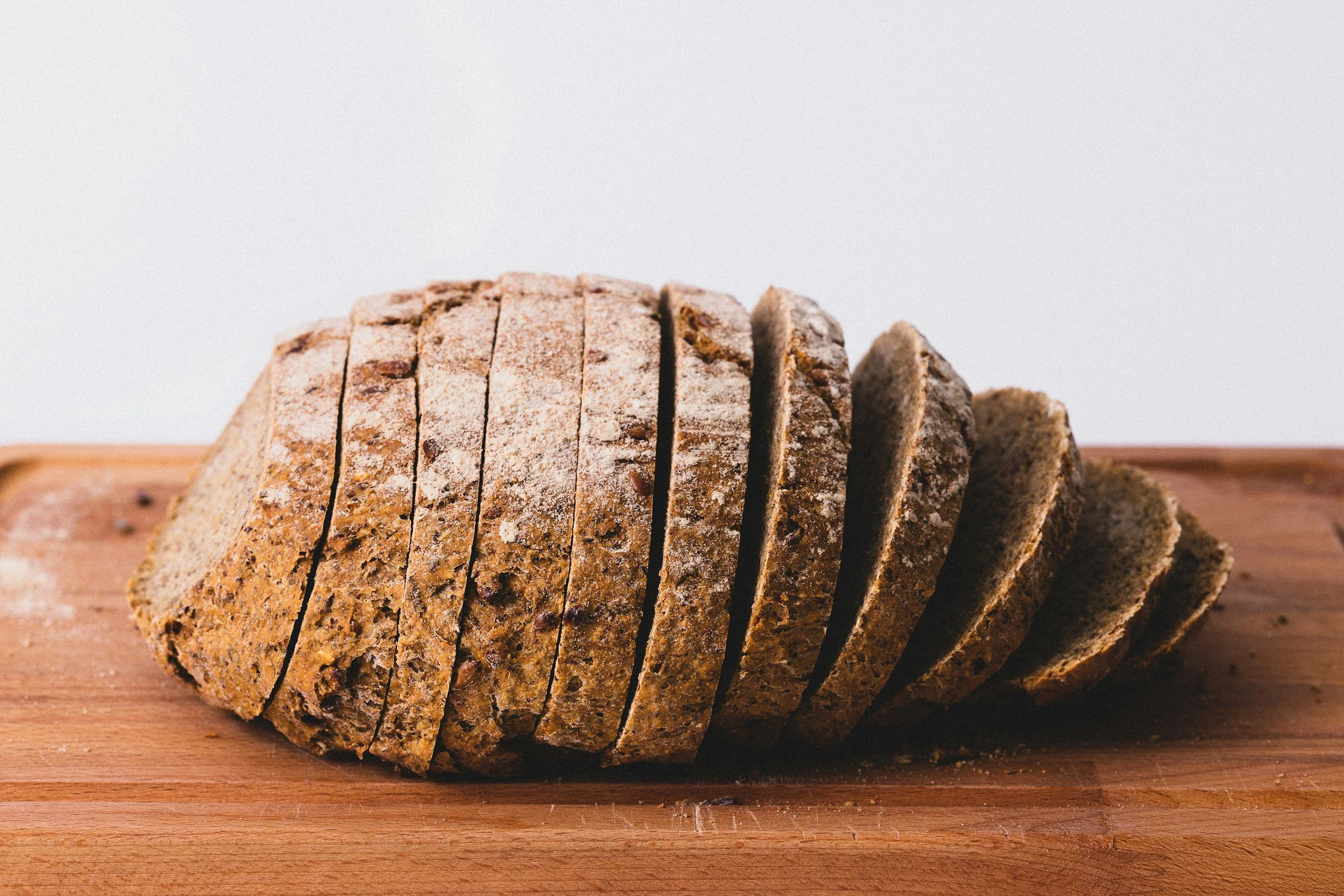
For decades, whole wheat was held up as the cornerstone of a healthy diet. Government food pyramids put grains at the base, physicians recommended whole wheat bread over white, and "heart healthy" stamps appeared on cereal boxes from coast to coast. But a growing body of research — and the lived experience of millions of people who've eliminated wheat — tells a very different story.
Two books in particular cracked open this conversation in a serious way: Dr. William Davis's Wheat Belly (2011) and Dr. David Perlmutter's Grain Brain (2013). Their arguments aren't fringe — they're grounded in biochemistry, gastroenterology, and neurology. And for anyone who has personally eliminated wheat and felt the fog lift, the joint pain ease, or the digestive chaos quiet down, the science resonates as something more than theory.
Modern Wheat Is Not What Your Grandparents Ate
The wheat consumed today bears little resemblance to the ancient grain it once was. Through decades of agricultural hybridization — not genetic modification in the laboratory sense, but aggressive cross-breeding programs aimed at maximizing yield — modern wheat strains have been dramatically altered. Dr. Davis, a cardiologist, spent years investigating why so many of his patients couldn't lose weight despite following standard dietary advice. What he found was striking: modern dwarf wheat, which now dominates global agriculture, contains altered protein structures, higher starch content, and a significantly different gluten profile than heritage varieties like einkorn.
The result is a grain that the human digestive system was never designed to handle — at least not in the quantities and forms we consume it today.
Gliadin: The Protein That Picks the Lock on Your Gut
At the center of wheat's harm is a specific protein called gliadin, a component of gluten. Gliadin is problematic for everyone — not just those with celiac disease — for a fundamental reason: it triggers the release of a protein called zonulin in the intestinal lining.
Zonulin is the master regulator of intestinal permeability. When gliadin binds to receptors in the gut wall, zonulin is released and the tight junctions between intestinal cells loosen. This is the mechanism behind what's now widely known as leaky gut, or intestinal hyperpermeability.
When the gut barrier becomes permeable, partially digested food particles, bacterial fragments (including lipopolysaccharides, or LPS — essentially bacterial toxins), and other immune-activating compounds pass into the bloodstream. The immune system responds with inflammation — sometimes localized, often systemic. This isn't a speculative mechanism; zonulin's role in gut permeability has been well-documented by researcher Dr. Alessio Fasano, whose work on gliadin and tight junction regulation helped establish the biological basis for non-celiac gluten sensitivity.
This process doesn't require a celiac diagnosis to occur. Gliadin triggers zonulin release in virtually everyone. The difference is in degree and recovery time — not in whether it happens at all.
Gliadin and Your Hunger Signals: Why Wheat Makes You Want More Wheat
Here's where it gets particularly insidious. Gliadin doesn't just compromise the gut lining — it also crosses the blood-brain barrier and binds to opioid receptors in the brain. Dr. Davis describes this in detail in Wheat Belly: gliadin-derived peptides, called gluteomorphins (or gliadorphins), act as mild opioids. They stimulate appetite and create a subtle but real cycle of craving.
This is why wheat-based foods are uniquely hard to stop eating. The "I can't eat just one" phenomenon with crackers, bread, or pasta isn't purely a matter of willpower — it's a neurochemical response. These peptides stimulate appetite by increasing caloric intake by an estimated 400 calories per day in regular wheat consumers, according to research cited by Davis.
The hunger dysregulation doesn't stop there. The high glycemic index of modern wheat — which Davis points out is higher than table sugar on the glycemic index — drives rapid blood glucose spikes followed by crashes. This roller coaster suppresses the satiety hormone leptin and amplifies ghrelin, the hunger hormone. The result: you're hungrier sooner, your body is signaling for more fuel even when it doesn't need it, and the foods you crave most are the ones perpetuating the cycle.
Inflammation: The Common Thread
In Grain Brain, neurologist Dr. David Perlmutter makes a compelling case that dietary carbohydrates — and wheat in particular — are the primary driver of inflammatory processes that damage the brain. He links regular wheat consumption to conditions including cognitive decline, depression, ADHD, and even Alzheimer's disease, which he refers to as "type 3 diabetes" due to its connection with insulin dysregulation.
Inflammation is the mechanism connecting all of wheat's downstream harms. The leaky gut allows LPS endotoxins into circulation — a potent trigger for systemic inflammation. The blood sugar volatility from wheat's high glycemic load promotes the production of advanced glycation end products (AGEs), which inflame blood vessels and tissues throughout the body. The immune activation from gliadin itself can promote inflammatory cytokine production even in people without obvious digestive symptoms.
Chronically elevated inflammation — even low-grade, subclinical inflammation — is now understood to be a root driver of metabolic disease, cardiovascular disease, autoimmune conditions, and neurodegeneration. Wheat sits squarely in the center of that picture.
The Elimination Experience
The most compelling evidence may be anecdotal in form but it is massive in scale: the tens of thousands of people who have eliminated wheat and experienced dramatic, sometimes life-altering improvements. Joint pain resolving. Brain fog clearing. Acid reflux disappearing. Stubborn weight dropping without calorie restriction. Mood stabilizing. Energy becoming consistent rather than spike-and-crash.
These aren't placebo effects playing out across isolated cases — they're a pattern.
A Final Word
None of this means that every person will have a dramatic reaction to wheat, or that a single slice of bread is cause for alarm. But the accumulated evidence — from the biochemistry of gliadin and zonulin, to the neurological effects documented by Perlmutter, to the metabolic disruption detailed by Davis — makes a strong case that wheat deserves far more scrutiny than its "heart healthy" reputation suggests.
Removing wheat isn't a fad diet. For many people, it's the single most impactful dietary change they'll ever make.
References: William Davis, MD — Wheat Belly (2011); David Perlmutter, MD — Grain Brain (2013); Fasano A. — "Zonulin and Its Regulation of Intestinal Barrier Function," Physiological Reviews (2011).