
The Added Energy Demands of Heat
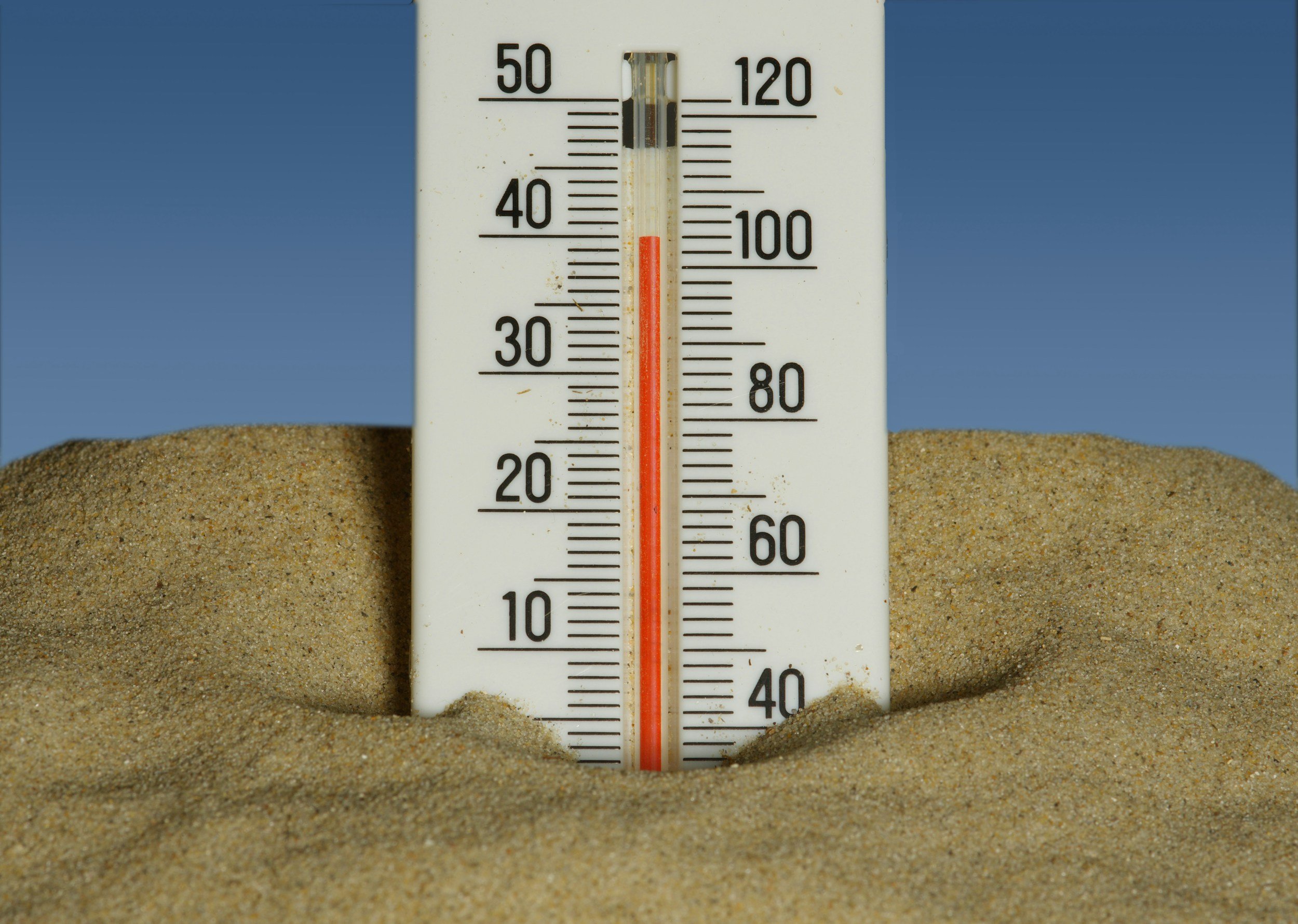
Your body is fighting two battles at once — and your muscles are paying the fuel bill for both.
You've been there: same route, same pace, same effort rating — but two hours into a summer ride you're completely cooked. Your legs aren't the problem. The temperature is.
When you exercise in the heat, your muscles can burn through glycogen at roughly 1.5–2× the normal rate compared to the same effort in cool conditions. Some studies show depletion running 40–50% higher at matched power outputs. The reason isn't weakness — it's physics, biology, and your cardiovascular system getting pulled in two directions at once.
~500g glycogen used in a hard 2-hr cool-weather ride
700g+ same effort in summer heat
Why it happens
Three mechanisms stack on top of each other. First, warmer muscle fibers have higher enzymatic activity — glycogen phosphorylase, the enzyme that breaks down glycogen, speeds up with temperature. The reaction literally runs hotter.
Second, your blood has to serve two masters: working muscles and your skin for cooling. That split in cardiac output means muscles get slightly less oxygen, pushing you toward anaerobic glycolysis even at aerobic intensities — and anaerobic metabolism is far less glycogen-efficient per unit of work.
"By the time your legs tell you something's wrong, you're already behind."
Third, the heat stress itself drives up catecholamines — epinephrine and norepinephrine — which directly trigger glycogenolysis. Your body mobilizes fuel faster than it actually needs to because the stress signal is elevated independently of the work you're doing.
What to do about it
The practical fix is simple but counterintuitive: eat and drink earlier and more aggressively than your perceived effort suggests, not in response to it. In the heat, hunger and fatigue are lagging indicators. By the time you feel them, your glycogen stores are already significantly depleted.
One more note for those heading to high altitude: hypoxia stacks the same way — more anaerobic contribution, higher ventilatory cost, faster glycogen draw. Front-load your carbohydrate strategy more than you would at sea level, and plan on eating earlier in the effort than feels necessary.